
Key Takeaways
Monitor vacancy, turnover, maintenance, and rent collection to identify operational issues before they affect your rental income.
Calculate turnover costs, including lost rent, repairs, cleaning, and leasing expenses, to understand the value of tenant renewals.
Connect operational KPIs to cash flow, net operating income, and investment returns for a more complete picture of property performance.
Review financial and operational reports monthly to identify trends and make timely adjustments to your investment strategy.
Most rental investors know how much rent they collect each month, but fewer track vacancy periods, turnover expenses, and maintenance trends.
These metrics can reveal whether a property is performing well or quietly reducing your returns.
This guide from Exceptional Property Management explains the key performance indicators (KPIs) rental investors should monitor, how to calculate them, and how to use the results.
Since benchmarks vary by property type and market, focus on consistent tracking and consult qualified professionals about financial and accounting questions.
Let us Optimize your Rancho Cucamonga Rental
Why KPIs Matter
One month's results rarely tell the whole story. A month without repairs may hide ongoing maintenance problems, while strong occupancy may mask below-market rents.
KPIs provide a consistent way to measure performance over time. They also help identify potential problems.
Rising vacancy may indicate pricing or marketing issues, while increasing maintenance costs could point to recurring repair needs.

Numbers alone won't explain every issue, but they show where further attention is needed.
Vacancy: Time Without Rent
Vacancy measures how long a rental remains unoccupied and generates no income.
You can track vacant days for each unit or calculate vacancy as a percentage of potential rental income.
Because expenses continue even when your Rancho Cucamonga property is empty, vacancy directly affects returns.
Monitor these related metrics:
Days vacant per turnover: Time between one tenant's departure and the next move-in.
Days on market: Time from listing the property to signing a lease.
Inquiries and showings: Measures interest at the current asking rent.
Application-to-lease conversion: Shows how often qualified applicants become tenants.
If a property takes longer to lease, review its rental price, marketing, photos, and condition.
Seasonality also affects vacancy. Compare the same months across different years to distinguish normal market patterns from ongoing leasing problems.
Turnover: How Often Tenants Leave and What It Costs
Turnover measures how frequently tenants move out. Frequent turnover can increase vacancy, cleaning, repairs, marketing, and leasing expenses.
Calculate the average cost of each turnover by adding lost rent, cleaning, repairs, painting, marketing, and leasing fees. This figure helps you understand the financial value of tenant renewals.
It can also help determine whether making a repair or offering a reasonable renewal incentive is more cost-effective than finding a replacement tenant.
Maintenance: Cost, Speed, and Patterns
Maintenance is an expected expense, but tracking costs helps identify recurring problems and opportunities to prevent larger repairs.
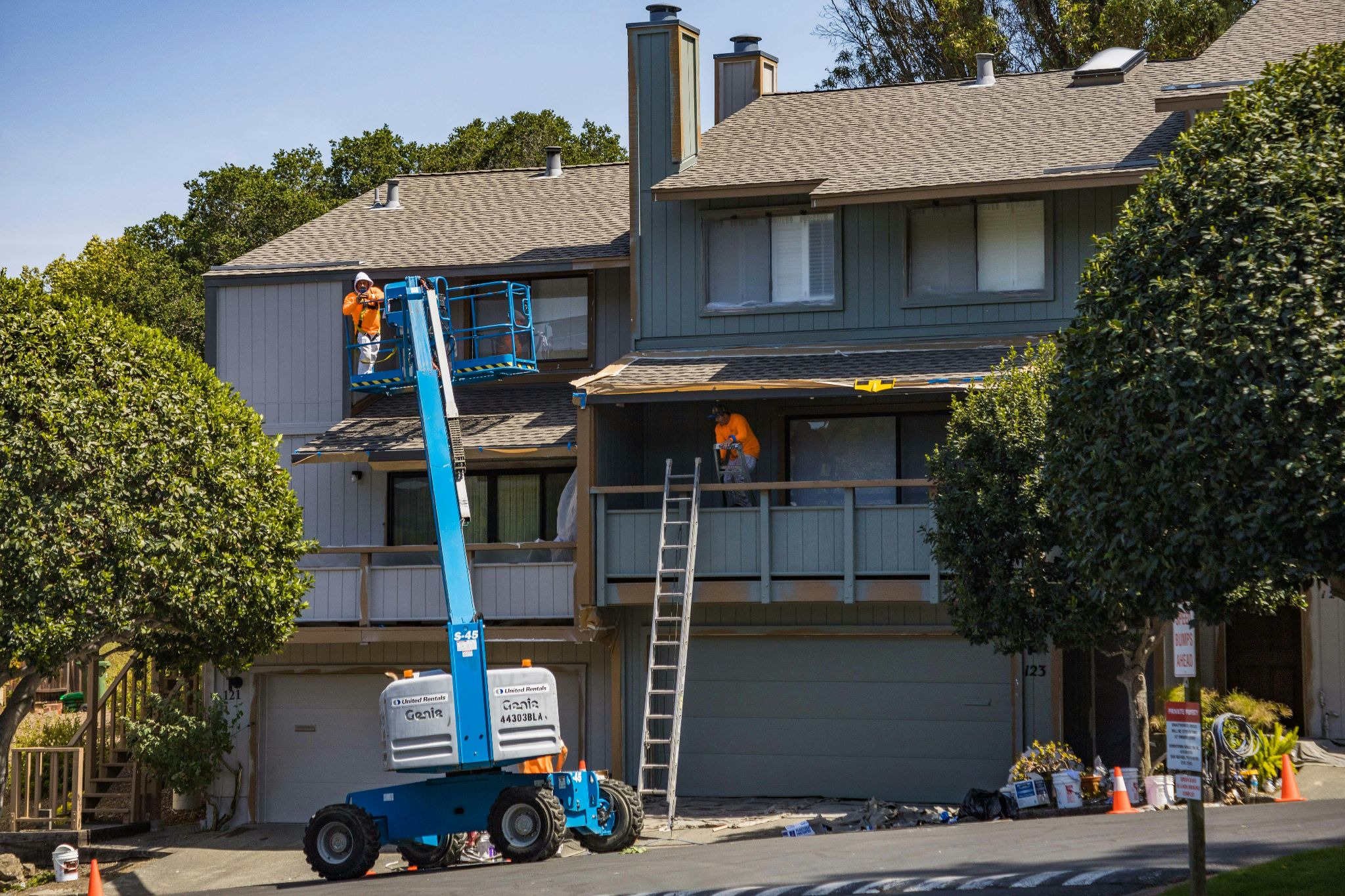
Monitor annual maintenance spending per unit and categorize expenses to identify patterns.
Repeated plumbing, roofing, or HVAC problems may indicate that replacing a system is more practical than continuing to repair it.
Response time matters, too. Track how long repairs take from the initial request to completion. Also compare preventive maintenance with reactive repairs.
An increase in emergency work may indicate that routine maintenance needs more attention to comply with habitability regulations.
Maintain a work-order log with dates, costs, vendors, and outcomes. These records help identify expensive properties, evaluate vendor performance, and plan for future replacements.
Rent Collection and Delinquency
Track how much rent is collected on time, how much is late, and how much remains unpaid. Increasing delinquency may indicate problems with collection procedures or recurring payment issues.
Look beyond total balances to identify patterns, such as repeated late payments or issues concentrated at particular properties.
Consistent collection practices and fair enforcement of lease terms can help reduce delinquency. Follow applicable California requirements for notices and fees, and consult a qualified attorney with legal questions.
Want help understanding your rental property's performance?
Financial KPIs: Cash Flow and Return
Operational KPIs become more useful when connected to financial performance.
Net operating income (NOI): Rental income minus operating expenses, excluding financing costs.
Cash flow: Income remaining after operating expenses and loan payments.
Cash-on-cash return: Measures the annual cash return relative to the cash invested.

Use consistent definitions when calculating these figures. Include realistic vacancy and maintenance allowances to avoid overstating profitability.
An accountant or tax professional can help determine which financial measures best fit your investment goals.
Turning KPIs Into a Simple Routine
KPIs are only useful when you review them consistently and act on what they reveal. A monthly review can help keep your tracking manageable.
Record rental income, expenses, vacancy days, and maintenance activity for each property.
Calculate your primary KPIs and compare them with previous months and years.
Investigate unexpected changes and identify possible causes.
Choose one or two actions, such as adjusting rent or scheduling preventive maintenance.
Review the results the following month.
Over time, this routine provides a clearer picture of each California property's performance.
What Good Management Reporting Looks Like
If you hire a property manager, their reporting should make tracking performance easier. Ask for regular statements showing rent collected, expenses, and maintenance activity.
You should also be able to review vacancy, leasing progress, and repair response times.
Exceptional Property Management advertises a leasing guarantee under which it will find a replacement tenant at no charge if a tenant does not complete at least ten months of a lease term.

When evaluating a manager, prioritize clear reporting, consistent communication, and transparent service agreements. Ask for the complete terms and conditions in writing.
Bottom Line
Successful rental investing isn't about tracking every available metric. It's about monitoring a few meaningful numbers consistently and responding to changes.
Track vacancy, turnover, maintenance, and rent collection, then connect those results to cash flow and overall returns.
Exceptional Property Management serves Rancho Cucamonga and the Inland Empire.
Call 909-317-0475, visit Exceptional Property Management, or stop by 10722 Arrow Route #810, Rancho Cucamonga, CA 91730. Ask about a free rental analysis or property consultation.
Our Team Can Answer All of Your Questions!
Frequently Asked Questions About Rental KPIs
Should I Include Capital Expenses When Calculating Rental Property Performance?
Yes, but track capital expenses separately from routine operating costs. Capital improvements, such as replacing a roof or HVAC system, can significantly affect your investment's overall financial performance.
Net operating income typically excludes capital expenditures, so relying on NOI alone may not reflect the full cost of ownership.
Track major improvements alongside operating expenses and cash flow to understand your property's financial position and plan for future replacements.
How Can I Tell Whether High Maintenance Costs Are a Problem?
Compare maintenance spending over several months or years and look for recurring issues involving the same systems or components.
A single major repair may explain a temporary increase, while repeated plumbing, roofing, or HVAC expenses could indicate a larger problem.
Review repair records, vendor invoices, and equipment condition to determine whether continued repairs or replacement makes more financial sense.
This information can also help you plan maintenance reserves.
What Leasing Metrics Should I Monitor Beyond Vacancy?
Track inquiries, property showings, applications, and signed leases to understand how effectively your marketing and leasing process converts interest into occupancy.
For example, many inquiries but few applications may warrant reviewing the property's condition, asking rent, or showing process.
If applications are received but few result in signed leases, examine the reasons for the drop-off. These metrics help identify where improvements may be needed without relying on vacancy figures alone.
What Should I Look for in a Property Manager's Financial Reports?
Look for clear records of rent collected, operating expenses, maintenance costs, and outstanding balances. Reports should also help you understand vacancy, leasing activity, and significant changes in property expenses.
Exceptional Property Management provides detailed financial reporting through an owner portal, where clients can access statements and other investment information.
Ask how frequently reports are updated and whether you can review individual property performance as well as your overall portfolio.
Can a Property Manager Help Improve My Rental Property KPIs?
Yes. A property manager can help monitor leasing activity, rent collection, maintenance expenses, and property condition.
Working with a local manager can give you additional insight into operating trends and help you make informed decisions about your investments.